

Soviet jamming was a sign of the effectiveness of Western radio broadcasts. Radio Free Europe and Radio Liberty were consistently jammed. The Voice of America was jammed only during some periods. Ted Lipien for Cold War Radio Museum In his...
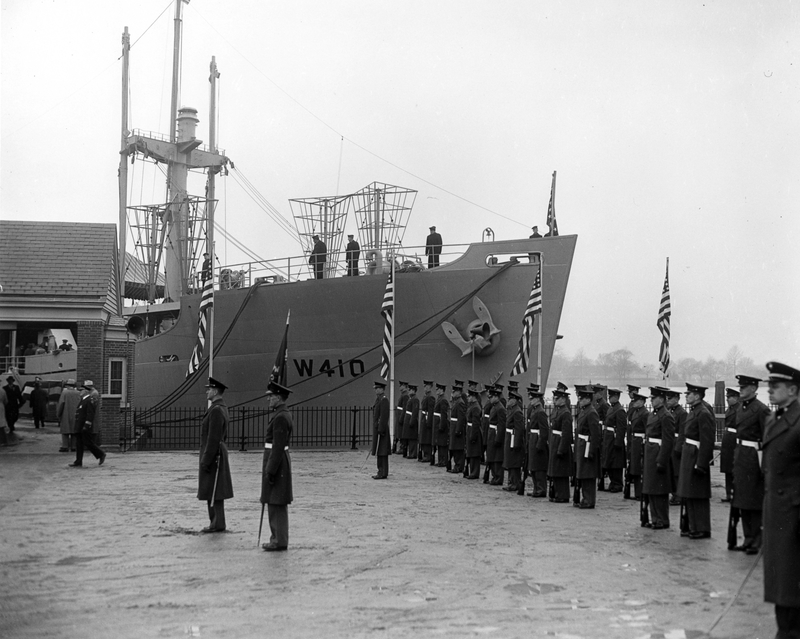
Members of the Coast Guard with the cutter Courier, a floating radio transmitter used to air messages from the Voice of America. President Harry S. Truman gave a speech that was transmitted in part through the Courier. Date: March 4, 1952. Credit:...
Right after the declaration of the martial law in Poland in December 1981, U.S.-funded Voice of America and Radio Free Europe expanded their radio broadcasts. These broadcasts continued during the martial law. VOA and Radio Free Europe interviewed...
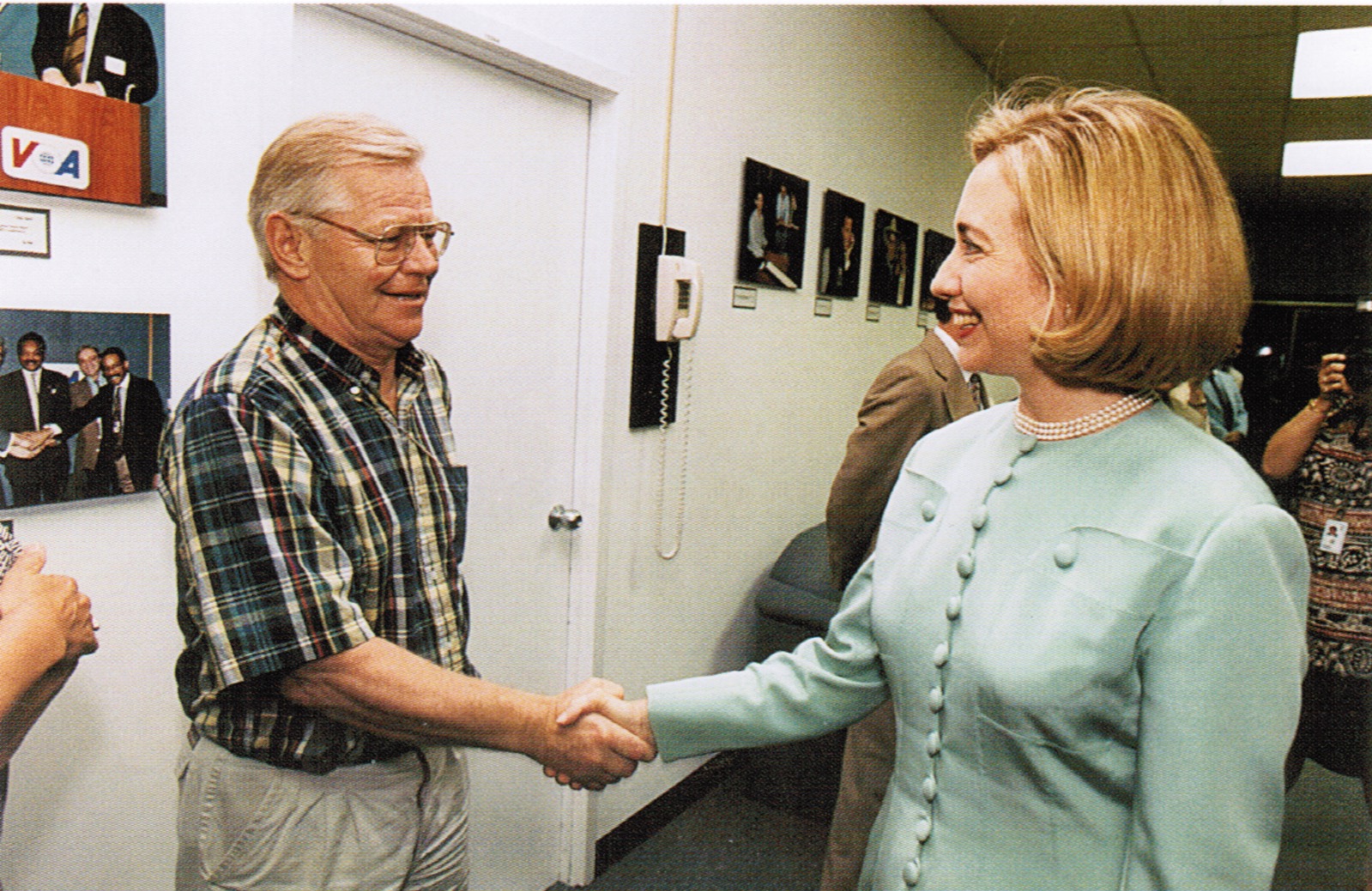
Maciej Wierzyński at Voice of America One of the most successful and popular Polish-American refugee journalists, Maciej Wierzyński, described his tenure at the Voice of America in the 1990s as the “most frustrating period of his life.” By Ted...
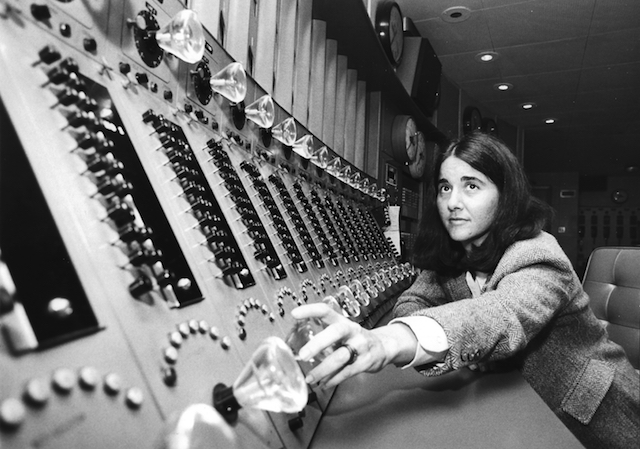
Cold War Radio Museum On August 20, 1980, the Soviet Union resumed jamming radio broadcasts by the Voice of America (VOA), the BBC, and the Deutsche Welle (DW). Soviet jamming was a sign of the effectiveness of Western radio broadcasts. Radio Free...
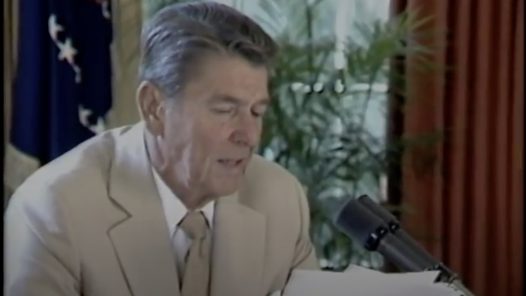
Toward the end of the Cold War in the 1980s, the Republican administration of conservative President Ronald Reagan greatly increased spending on U.S. international broadcasting to the Soviet Union and to other communist-ruled nations. Broadcasts to...
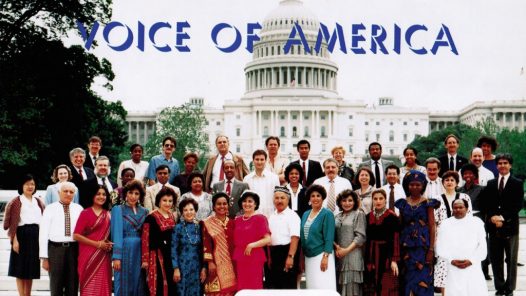
Cold War Radio Museum The Cold War was almost over in 1989-1990. The Voice of America was looking for new ways to deliver news to Eastern Europe. The bilingual VOA Polish-English newscast was one of several projects initiated in the VOA Polish...
Originally posted on December 4, 2013 Today’s political prisoners who are fighting for democracy and human rights are still being held in China, Iran and in many other countries. While much of Central and Eastern Europe, previously under Soviet...
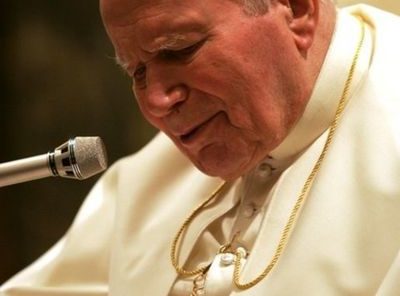
“Hunger for God and Love” – Interview with Cardinal Karol Wojtyła recorded conducted in August 1976 in Washington, D.C. by Ted Lipien for the Voice of America (VOA) This is a link to a digitized full version of the interview. The radio interview...