by Ted Lipien for Cold War Radio Museum April 22 is not a date usually remembered in the history of the Voice of America (VOA). Yet it deserves to be. On this day in 1954, at the Hotel McAlpin in New York, Howard Fast — a former chief news writer...
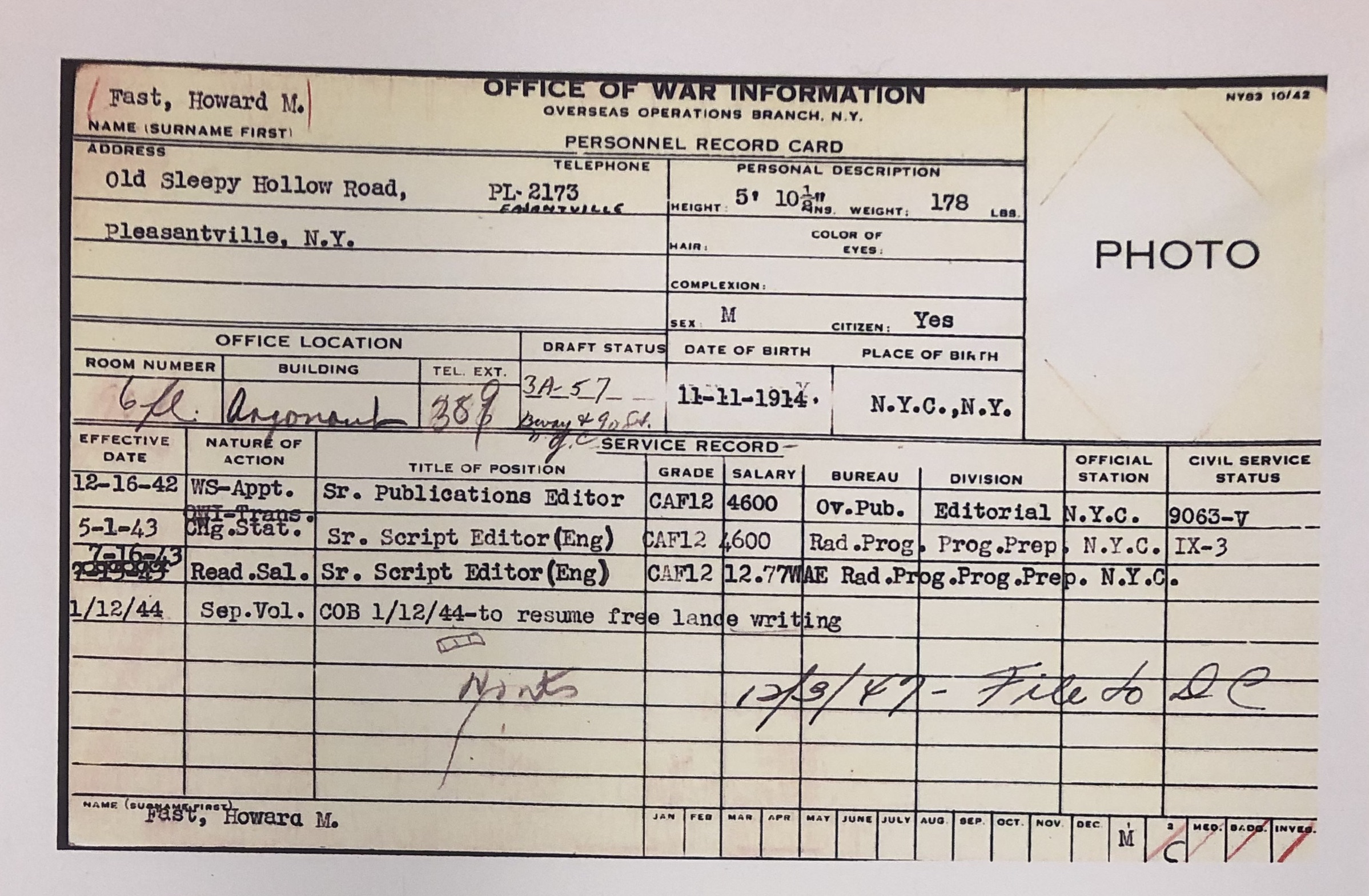


by Ted Lipien for Cold War Radio Museum April 22 is not a date usually remembered in the history of the Voice of America (VOA). Yet it deserves to be. On this day in 1954, at the Hotel McAlpin in New York, Howard Fast — a former chief news writer...
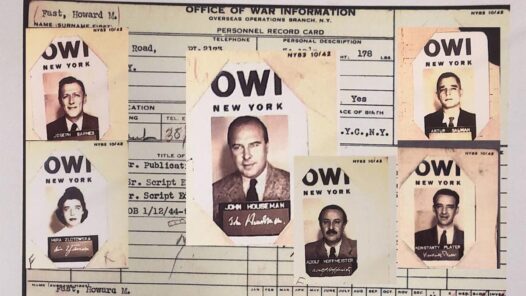
Voice of America, OWI, and the Polish Desk: A Reconsideration The history of the wartime Voice of America (VOA) is most often presented as a story of broadcasting truthful news in defense of freedom and democracy. That description, while not...

A reexamination of Walter Lippmann’s critique of the Voice of America (VOA) in light of wartime propaganda, Soviet influence operations, and the practical realities of Cold War broadcasting—revealing both the insight and the limits of his analysis...
Identification photograph of John Houseman from his Office of War Information (OWI) personnel file in New York, circa 1942. Houseman played a leading role in organizing U.S. wartime radio broadcasts, including foreign-language programming that later...
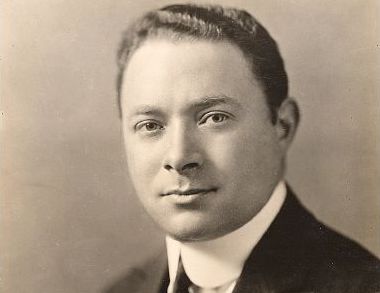
Summary David Sarnoff, the pioneer of the radio and television industry in the United States and the founder of the NBC network, was most likely the first American with access to the White House to present a comprehensive plan for U.S. government...
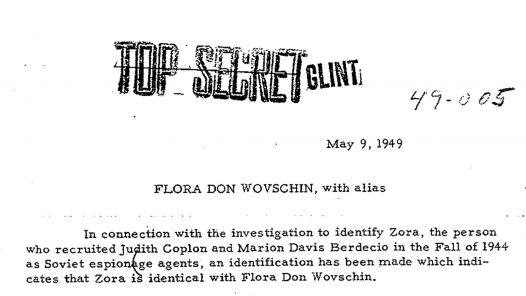
Ted Lipien for Cold War Radio Museum News reports that Poland, in the latest Russia-West prisoner swap, handed over an alleged Russian spy, who had worked for the Voice of America (VOA) as one of its freelance journalists, exposed some of the...
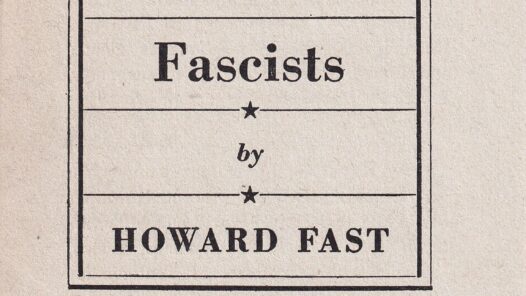
by Ted Lipien for Cold War Radio Museum On June 8, 1950, American novelist and Communist Party USA (CPUSA) activist and journalist Howard Fast, a former Voice of America’s (VOA) chief news writer and editor in the wartime United States Office...
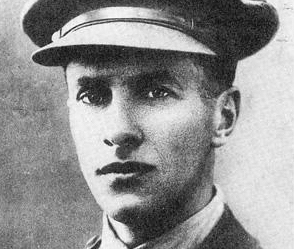
A commentary by Ted Lipien for the Cold War Radio Museum In doing historical research, I found a few indirect links between one of Joseph Stalin’s greatest apologists, the New York Times Pulitzer Prize-winning Moscow correspondent in the 1930s...
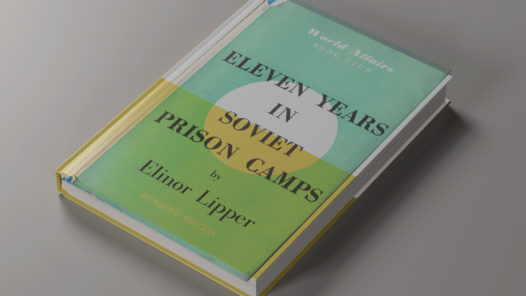
Ted Lipien for Cold War Radio Museum The March 25, 1951 Sunday edition of the New York Times had a review by journalist and writer Harry Schwartz of Elinor Lipper’s book Eleven Years in Soviet Prison Camps, in which the former Western...
Owen Lattimore circa 1945. In 1941, President Roosevelt appointed Professor Owen Lattimore, who advocated for a stronger Soviet role in China, to serve as U.S. advisor to Chinese leader Chiang Kai-shek, a position he held for one and...