

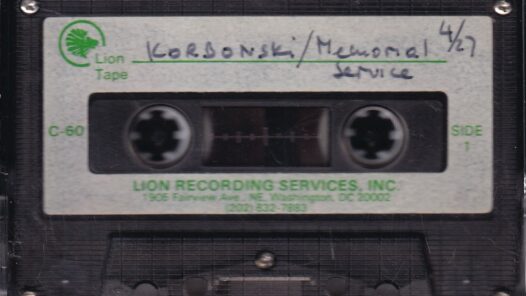
An archival audio cassette preserving a fragment of the funeral service for Stefan Korboński in Washington, D.C., in 1989, forms part of the documentary record of the Polish émigré community and its media institutions in the West. The...
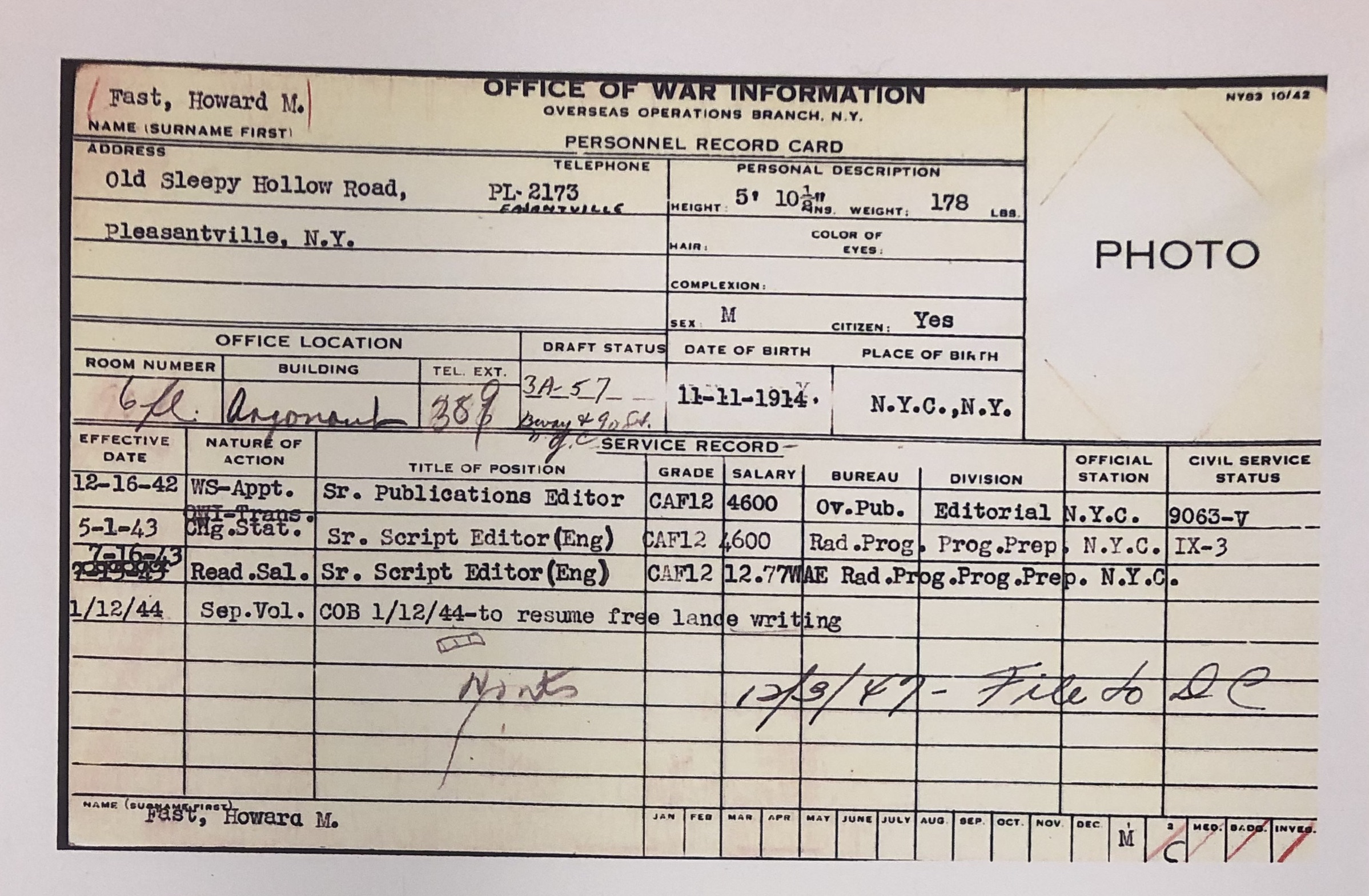
by Ted Lipien for Cold War Radio Museum April 22 is not a date usually remembered in the history of the Voice of America (VOA). Yet it deserves to be. On this day in 1954, at the Hotel McAlpin in New York, Howard Fast — a former chief news writer...
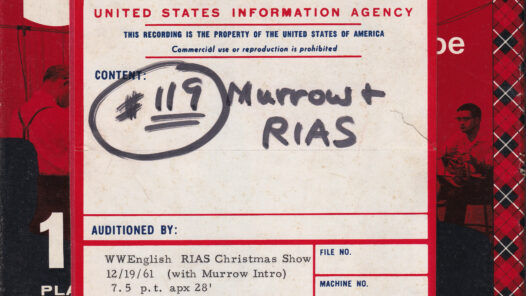
Recovering a forgotten Voice of America / RIAS relay preserved on magnetic tape At a glance Listen first: Murrow’s introduction + RIAS Christmas segments (VOA WW English relay, Dec. 1961) Why it matters: A rare example of Cold War broadcasting as...
My new op-ed in The Hill includes comments on the latest barbaric attacks by Hamas terrorists on Israeli civilians—defenseless Jewish women, children, and the elderly. I discuss the hard-to-understand and explain defense of...
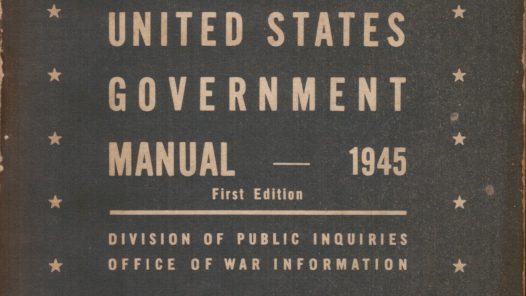
The Office of War Information (OWI) and the Voice of America (VOA) during the Second World War would have been the closest model for comparison to the Disinformation Governance Board (DGB), an advisory board of the United States...
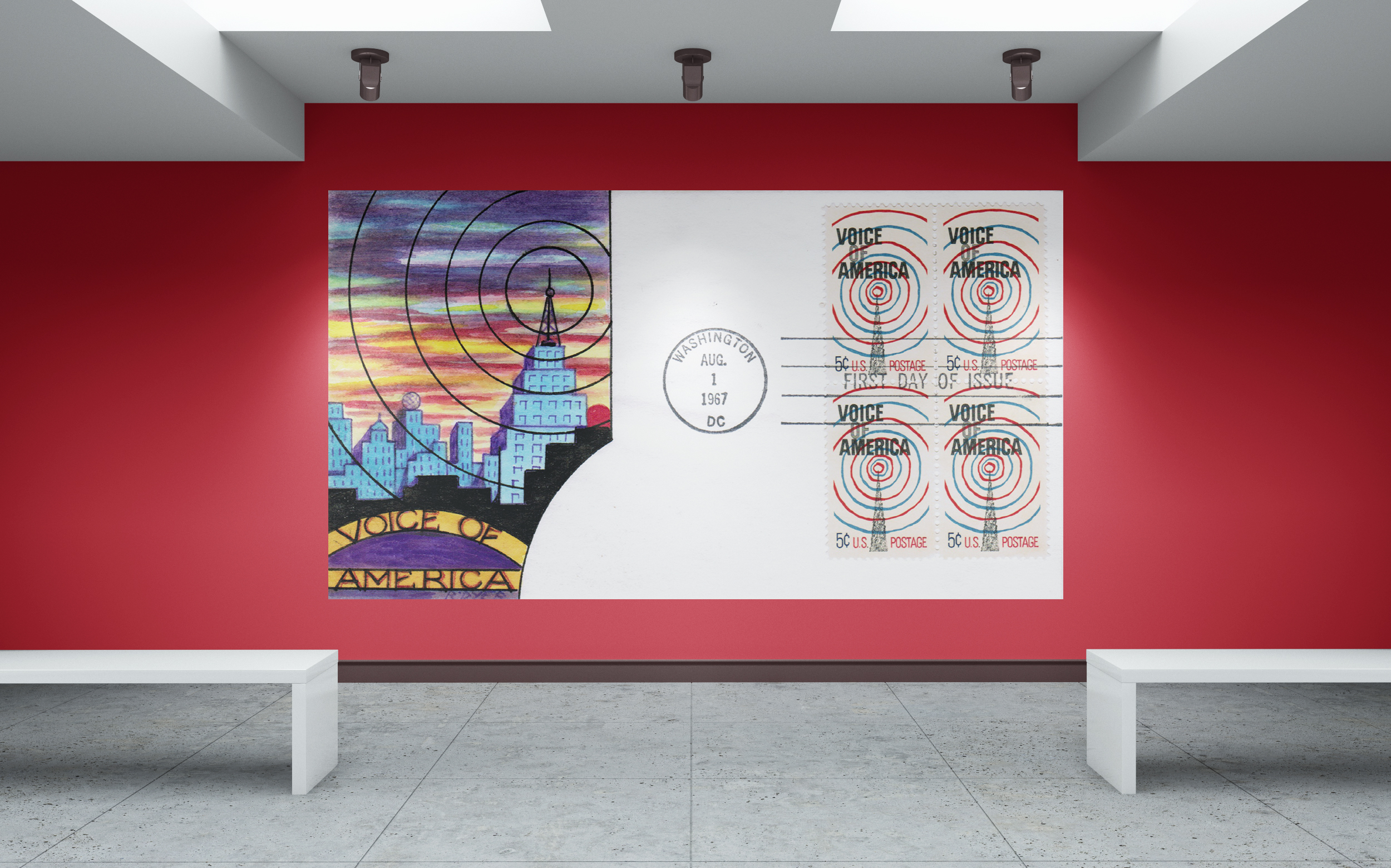
Voice of America (VOA) 1967 USPS stamp First Day Cover (FDC) by philatelic artist Ralph Dyer in the Cold War Radio online virtual museum. The hand-painted First Day Cover (FDC) by philatelic artist Ralph Dyar for the 1967 Voice of America stamp is...
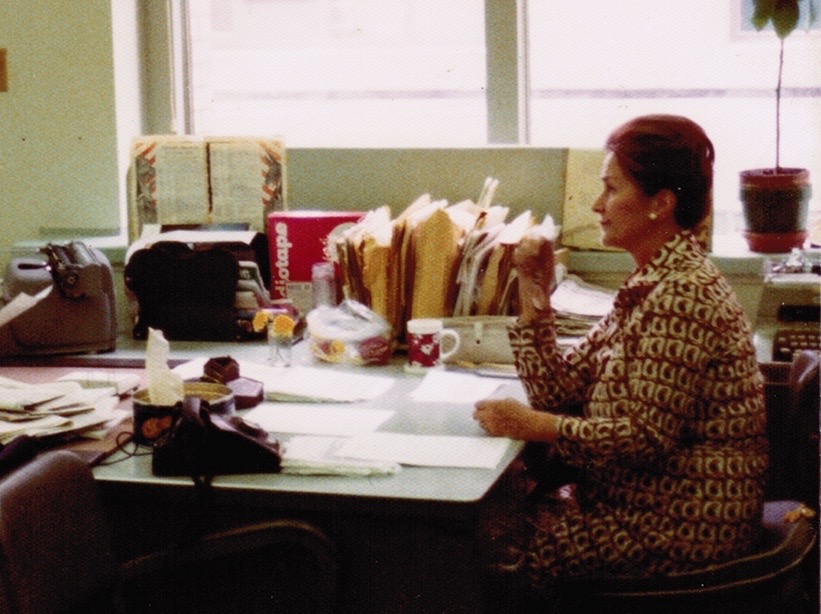
Treated for decades as second-class citizens and denied direct access to wire services by U.S.-born, mostly white, mostly left-leaning, and mostly male Voice of America (VOA) managers and reporters, these VOA immigrant broadcasters, some of them...
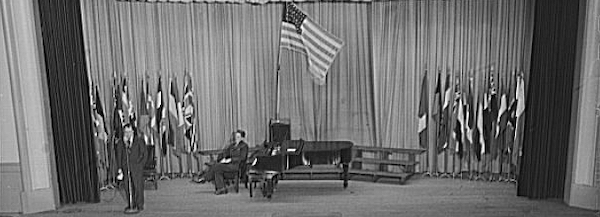
Cold War Radio Museum On January 12, 1944, Howard Fast, best-selling author, a Communist Party USA activist, and a future recipient of the Stalin Peace Prize, resigned under pressure from his position as the Voice of America (VOA) chief news...